Traceability Starts With the Bottle
Why unit-level identification plays a critical role in packaging quality systems.
When discussing packaging traceability, attention is often placed on pallet labels, case labels, warehouse records, and ERP systems.
These tools are essential components of modern supply chains and provide valuable visibility throughout manufacturing and distribution.
However, when a quality issue reaches the market, the situation is often very different.
In many real-world investigations, secondary packaging has already been discarded. Shipping records may not be immediately available. Pallets and cases have long since been separated.
In some situations, the only remaining piece of evidence is the bottle itself.
This is where unit-level traceability becomes particularly valuable.
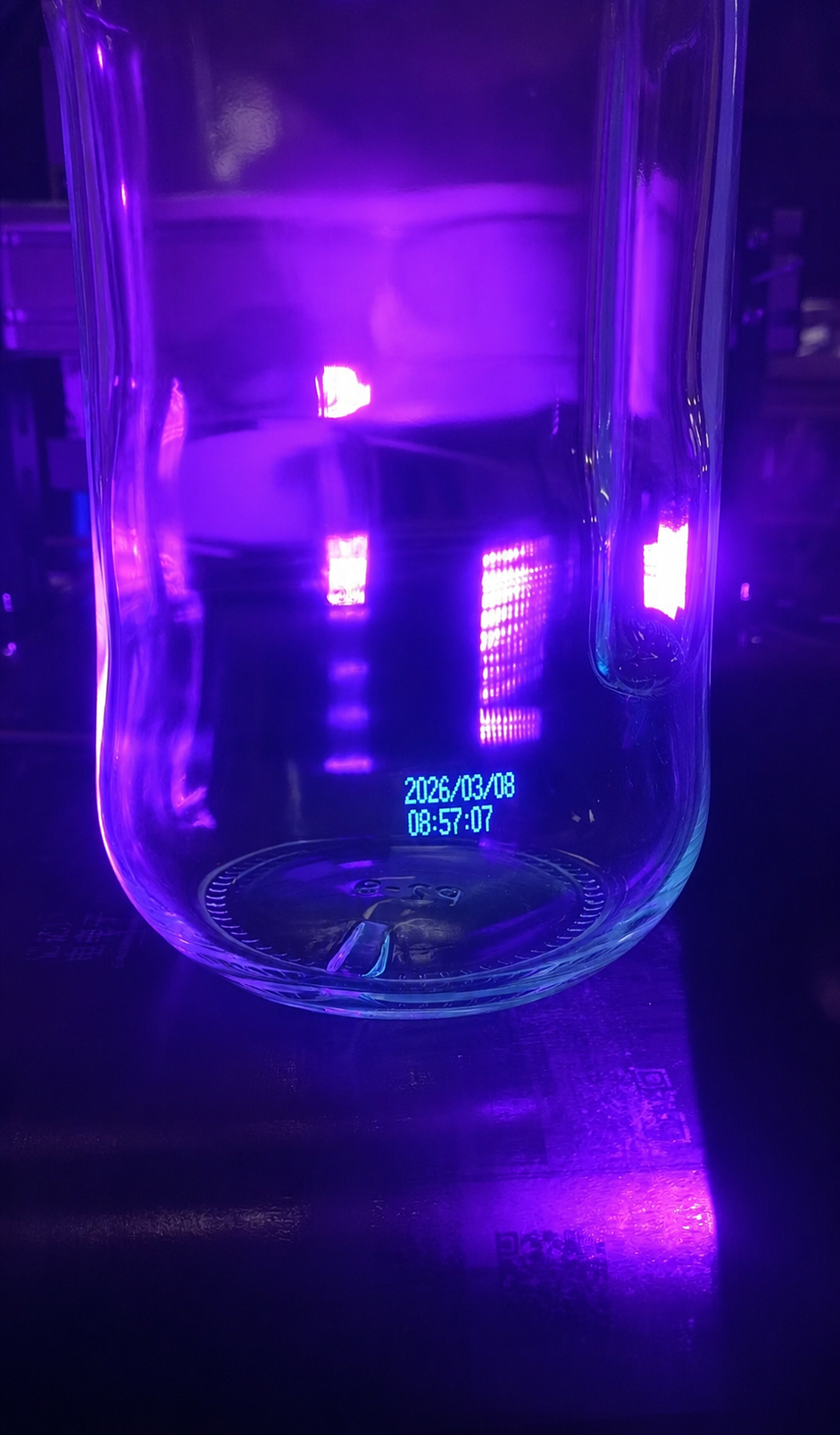
By applying a production identifier directly to the package, manufacturers can establish a direct link between an individual container and the production data behind it.
Depending on the system, bottle-level identification may help trace:
- Production date and time
- Manufacturing batch
- Production line
- Mold cavity
- Raw material lot
- Filling or packaging shift
This information can significantly improve the speed and accuracy of root cause investigations when quality concerns arise.
Unit-level traceability also supports more targeted corrective actions. Rather than reviewing an entire production period, manufacturers may be able to isolate specific batches, equipment, or production windows.
The advantages can include:
- Faster investigation of customer complaints
- More efficient recall management
- Improved regulatory compliance
- Enhanced supplier accountability
- Better visibility throughout the production process
One common approach is UV coding, which allows production information to be applied directly to glass or plastic containers with minimal impact on package design.
Like any manufacturing process, however, UV coding requires proper implementation and validation.
Considerations may include:
- Ink adhesion performance
- Abrasion resistance
- Equipment maintenance
- Code readability
- Environmental durability
- Packaging appearance requirements
The most effective traceability systems rarely rely on a single level of identification.
Instead, they combine multiple layers of tracking:
- Unit-level bottle identification
- Case-level labeling
- Pallet-level traceability
- Digital production records
Together, these systems create a more complete chain of information throughout the product lifecycle.
As supply chains become increasingly complex and quality expectations continue to rise, traceability is no longer simply a compliance requirement. It is becoming an important tool for risk management, operational efficiency, and consumer confidence.
Final Thought
When a quality issue occurs, the pallet is rarely available. The case may already be gone. Often, the only remaining evidence is the bottle itself. Effective traceability starts at the unit level.
.jpg)