Beyond Clean Floors: Why Traceability Matters During a Factory Visit
First impressions are important—but they shouldn't be the final judgment.
When visiting a manufacturing facility, it's natural to notice the obvious first.
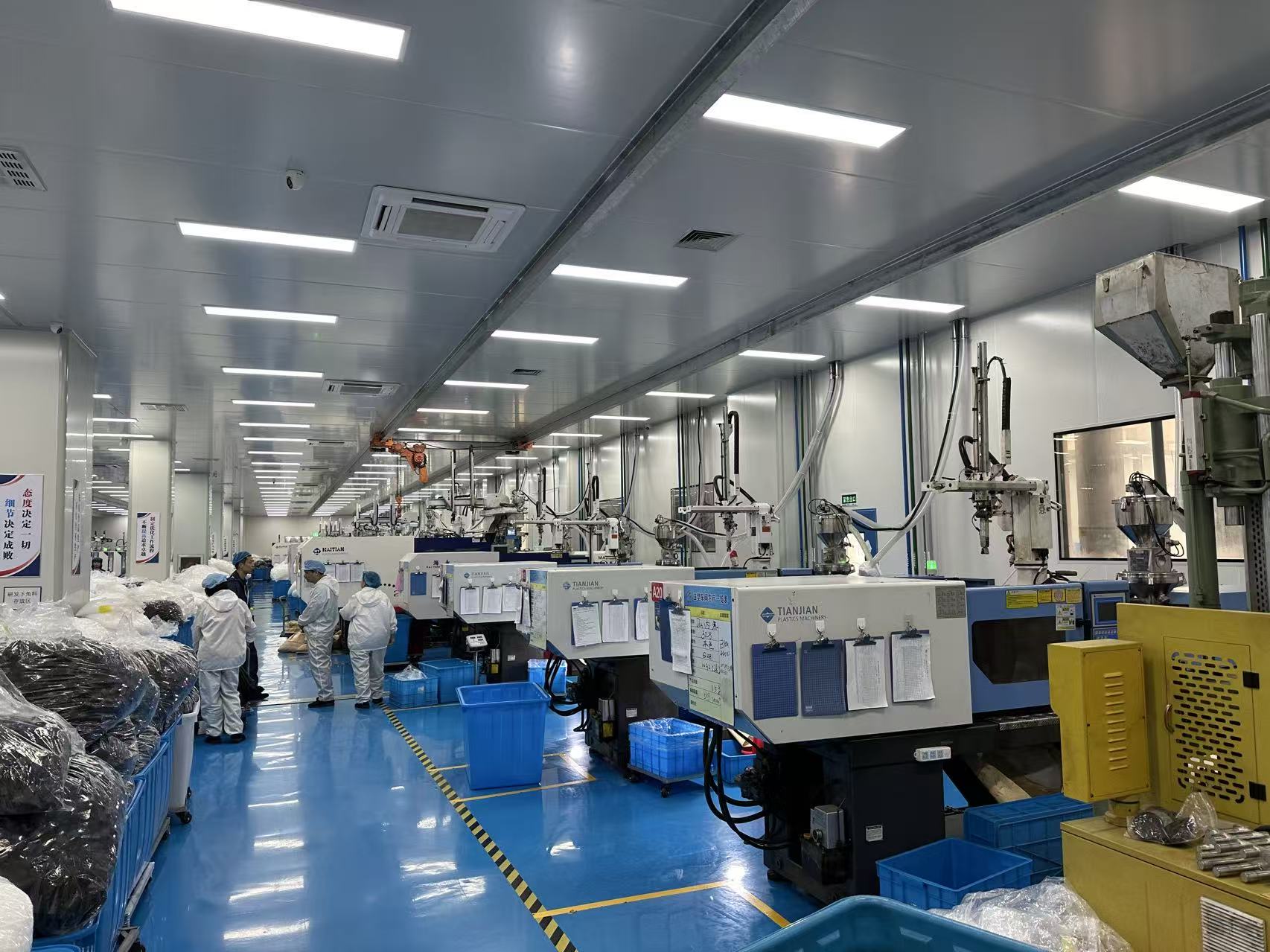
A clean production floor.
Organized workstations.
Modern equipment.
Clearly marked walkways.
These elements certainly reflect discipline and professionalism, and they contribute to a positive first impression.
However, while appearance matters, it doesn't always tell the full story.
One of the most valuable indicators of a well-managed manufacturing operation is often something that cannot be seen at first glance:
Traceability.
A factory should be able to answer difficult questions quickly.
Every manufacturing process carries some level of risk.
Even with robust quality systems, issues can occasionally occur.
The real difference lies in how efficiently a factory can identify, isolate, and resolve those issues.
If a quality concern is reported weeks—or even months—after production, a supplier should be able to answer questions such as:
- Which production batch was affected?
- Which customers received products from that batch?
- Which raw materials were used?
- Can the affected products be isolated without inspecting or recalling everything?
The speed and accuracy of these answers often reflect the maturity of a factory's quality management system.
Traceability is about reducing risk—not just meeting requirements.
Many people associate traceability with certifications or customer audits.
In reality, it is much more than a compliance requirement.
An effective traceability system helps manufacturers:
- Minimize the scope of quality incidents.
- Reduce unnecessary recalls and inspections.
- Identify root causes more efficiently.
- Improve communication with customers.
- Protect both the manufacturer's reputation and the customer's brand.
In other words, traceability is a practical risk management tool.
What we look for during factory visits
At SQF Packaging, factory visits are not simply about evaluating equipment or production capacity.
We also seek to understand how information flows through the manufacturing process.
Questions we naturally ask include:
- Can production batches be identified quickly?
- Is information readily available when needed?
- Can the factory determine which products may be affected by a quality issue?
- Is there a clear process for isolating and managing non-conforming products?
These discussions often provide valuable insight into how a supplier manages quality beyond the production floor.
Looking beyond appearances
A clean and organized factory is always a positive sign.
However, long-term confidence is built on something deeper than appearance.
When challenges arise, the ability to quickly trace products, identify affected batches, and respond effectively can make a significant difference.
For packaging manufacturers and brand owners alike, traceability is not simply about keeping records.
It is about protecting products, protecting brands, and building trust throughout the supply chain.